Posted: 6 months ago
How To Evaluate Glass Samples
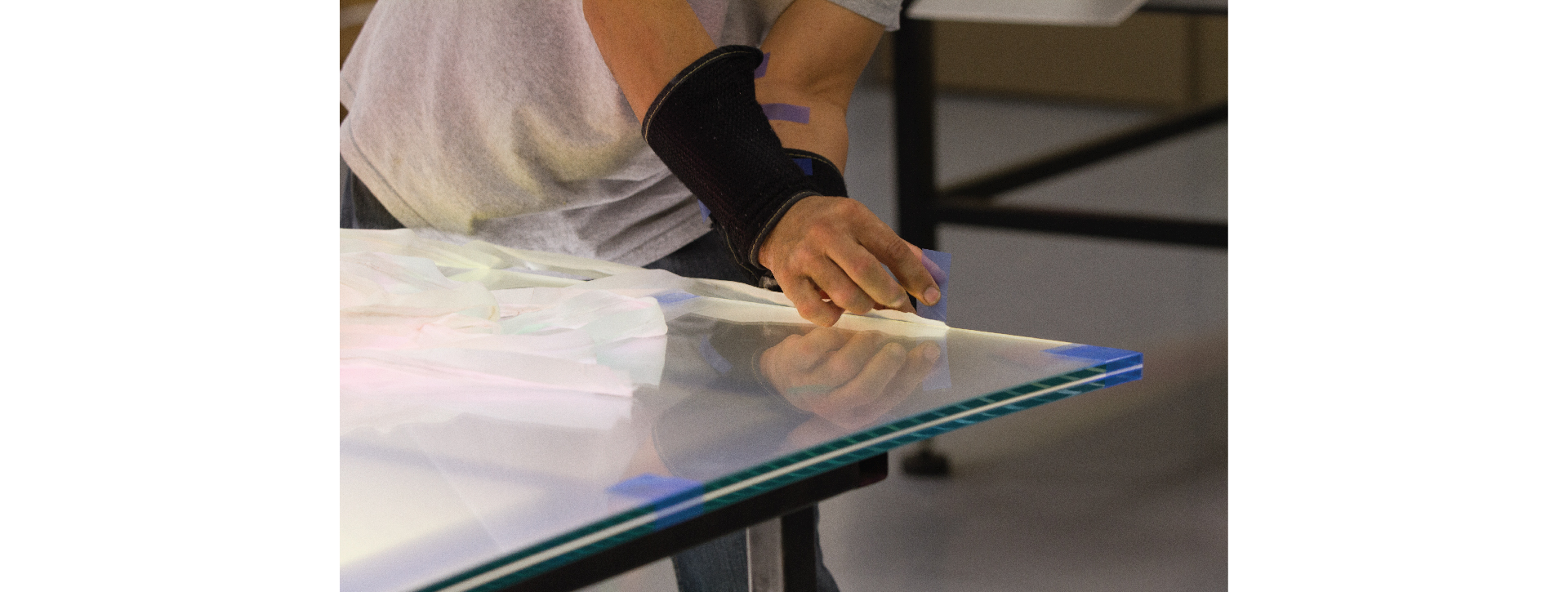
Glass samples can look different once installed.
Differences in lighting, viewing angle, and material characteristics can all influence how a finish is perceived. Understanding how to properly evaluate samples helps ensure the final result aligns with the design intent.
Lighting Conditions
 Lighting has the biggest impact on how glass is perceived.
Assess samples in the environment where they'll be installed. Natural lighting provides the most accurate read.
Viewing Angle
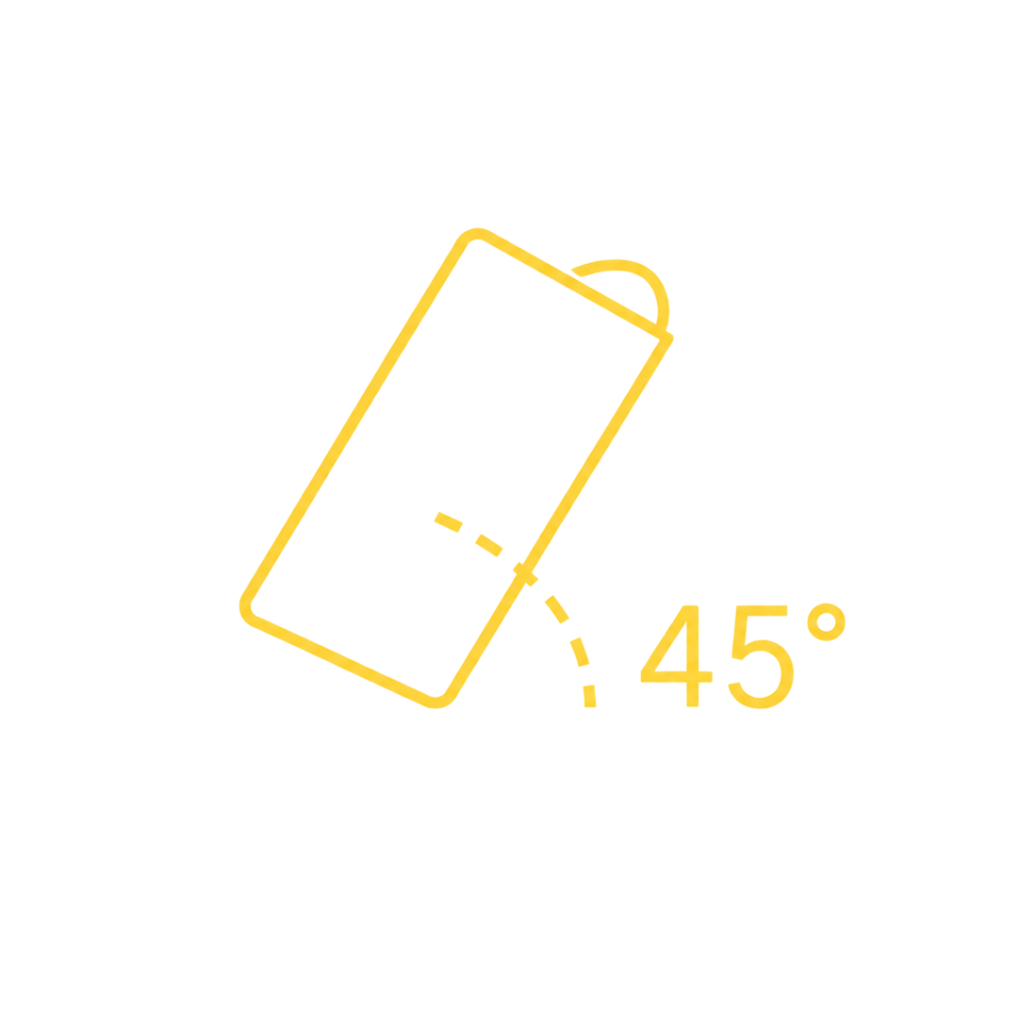 The angle at which you view glass affects how color and finish appear.
Hold samples at a slight angle (around 45° away from you) to minimize reflection and reveal true color.
Metallic Finishes
 Metallic coatings behave differently than solid colors.
Move samples gently in opposing directions to find the true tone—not just the sparkle.
Digital Prints (Ceramic & UV)
 Printed glass should be evaluated at a distance.
Viewing samples from approximately 3 to 4 feet away allows colors to visually blend, providing a more accurate representation of how the final installation will appear.
Understanding Expectations
Glass is a dynamic material, and some variation is normal.
The goal of sample evaluation is not to achieve a perfect match in every condition. It is to ensure the material supports the overall design intent in the final space.
When evaluated correctly, samples provide a reliable reference point for how the finished installation will perform.
If you are unsure how a sample will translate into your project, our team can help review finishes, lighting conditions, and application details so you can move forward with confidence.